

Your Data Centre Is Cool. But Is the Airflow Going Where It Should?
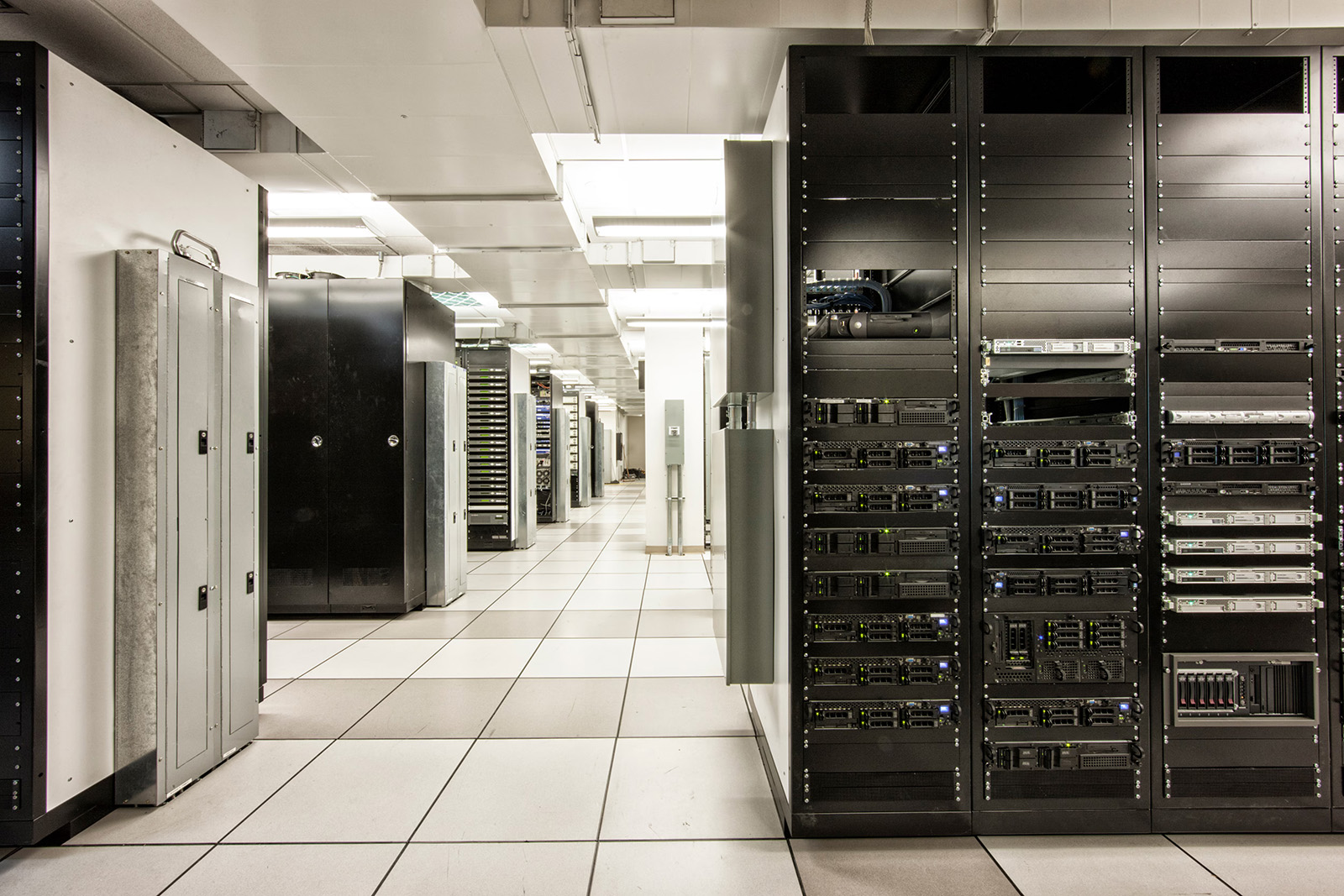
Your data centre’s cooling system is running. The temperature readings look normal. Yet some server racks are getting hotter than others.
How is that possible?
The answer may not be insufficient cooling capacity, but where the cooled air is actually going.
In modern data centres, maintaining the right temperature is only part of the equation. Effective airflow management is equally important to ensure that cooling reaches the equipment that needs it most.
Cooling a Room Isn’t the Same as Cooling a Server
Unlike conventional office spaces, data centres generate significant amounts of heat from servers, networking equipment and other IT infrastructure.
Cooling systems are designed to remove this heat and maintain suitable operating conditions. However, even when the overall room temperature appears normal, individual server racks may experience higher temperatures.
This often happens because cooled air isn’t being distributed effectively.
For example, a server rack located near a cooling unit may receive sufficient airflow, while another rack further away may struggle to receive the same amount.
The result? One part of the data centre remains cool while another develops a hotspot.
Where Does the Cooled Air Actually Go?
In a properly managed data centre, cooled air should reach the front of server racks, pass through the IT equipment and carry heat away towards the return air path.
However, airflow doesn’t always follow the intended route.
Three common problems can affect cooling performance:
1. Airflow Bypass
Cooled air takes an unintended route back to the cooling system without passing through the IT equipment.
This means energy is being used to produce cooling that doesn’t effectively remove heat from the servers.
2. Hot Air Recirculation
Warm exhaust air from the back of server racks finds its way back towards the equipment’s air intake.
This can increase inlet temperatures even when the cooling system is operating normally.
3. Uneven Air Distribution
Some racks receive more cooled air than necessary, while others receive insufficient airflow.
Factors such as blocked floor openings, poor containment, equipment layout and airflow restrictions can contribute to this imbalance.
These problems highlight why simply lowering the thermostat isn’t always the best solution.
Can Differential Pressure Tell You Something About Airflow?
Temperature sensors tell engineers how hot or cold an area is. But they don’t necessarily explain why cooling performance differs across the room.
This is where differential pressure measurement can provide additional information.
Differential pressure instruments measure the pressure difference between two locations.
In data centre cooling applications, these measurements can help engineers assess:
- Air filter conditions: An increasing pressure drop across a filter may indicate that it is becoming clogged.
- Air handling performance: Pressure measurements can help identify changes in system operating conditions.
- Pressure relationships: Monitoring pressure differences between selected areas can support airflow management and troubleshooting.
- Airflow measurement: When used with suitable flow measurement elements, differential pressure can help determine airflow rates.
However, differential pressure alone doesn’t provide a complete picture of airflow distribution. It is most useful when combined with temperature measurements, airflow data and an understanding of the cooling system’s design.
The Role of DwyerOmega in Data Centre Airflow Monitoring
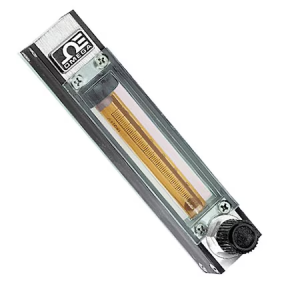
For data centre operators and facility engineers, accurate measurement is essential for understanding cooling system performance.DwyerOmega offers differential pressure and airflow measurement instruments that can support HVAC and cooling infrastructure monitoring.
Depending on the application, these instruments can be used to monitor pressure differences across filters, measure airflow through suitable sensing arrangements and track pressure conditions within air handling systems.
Continuous monitoring can help maintenance teams recognise changes in operating conditions and investigate potential issues before they affect cooling performance.
Rather than relying solely on room temperature readings, engineers can use additional measurement data to make more informed decisions about airflow management.
Better Airflow Doesn’t Always Mean More Cooling
When hotspots appear, the immediate response may be to increase cooling output or lower the temperature setpoint.
But if the underlying problem is poor airflow distribution, additional cooling may increase energy consumption without fully resolving the issue.
A more effective approach is to understand how air moves through the data centre.
This may involve reviewing hot aisle and cold aisle arrangements, improving containment, checking airflow restrictions and monitoring conditions at critical rack locations.
By identifying where cooling is being lost or misdirected, operators may be able to improve cooling effectiveness without unnecessarily increasing system capacity.
Conclusion: It’s Not Just About How Cold the Air Is
A data centre can have sufficient cooling capacity and still experience localised overheating.
The real challenge is ensuring that cooled air reaches the right equipment, in the right quantity, while heated air is effectively removed.
By combining temperature monitoring with airflow and differential pressure measurement, data centre operators can gain better visibility into cooling system performance and identify potential inefficiencies.
Because in a data centre, it’s not just about keeping the room cool. It’s about making sure the cooling reaches where it matters most.
Looking for Data Centre Airflow Monitoring Solutions?
Process Pneumatics supplies industrial instrumentation solutions, including DwyerOmega pressure and airflow measurement products, to support HVAC and data centre cooling applications.
Contact our instrumentation specialists to explore suitable measurement solutions for your data centre infrastructure.

