

Why Most Automation Failures Start with Air, Not Electronics
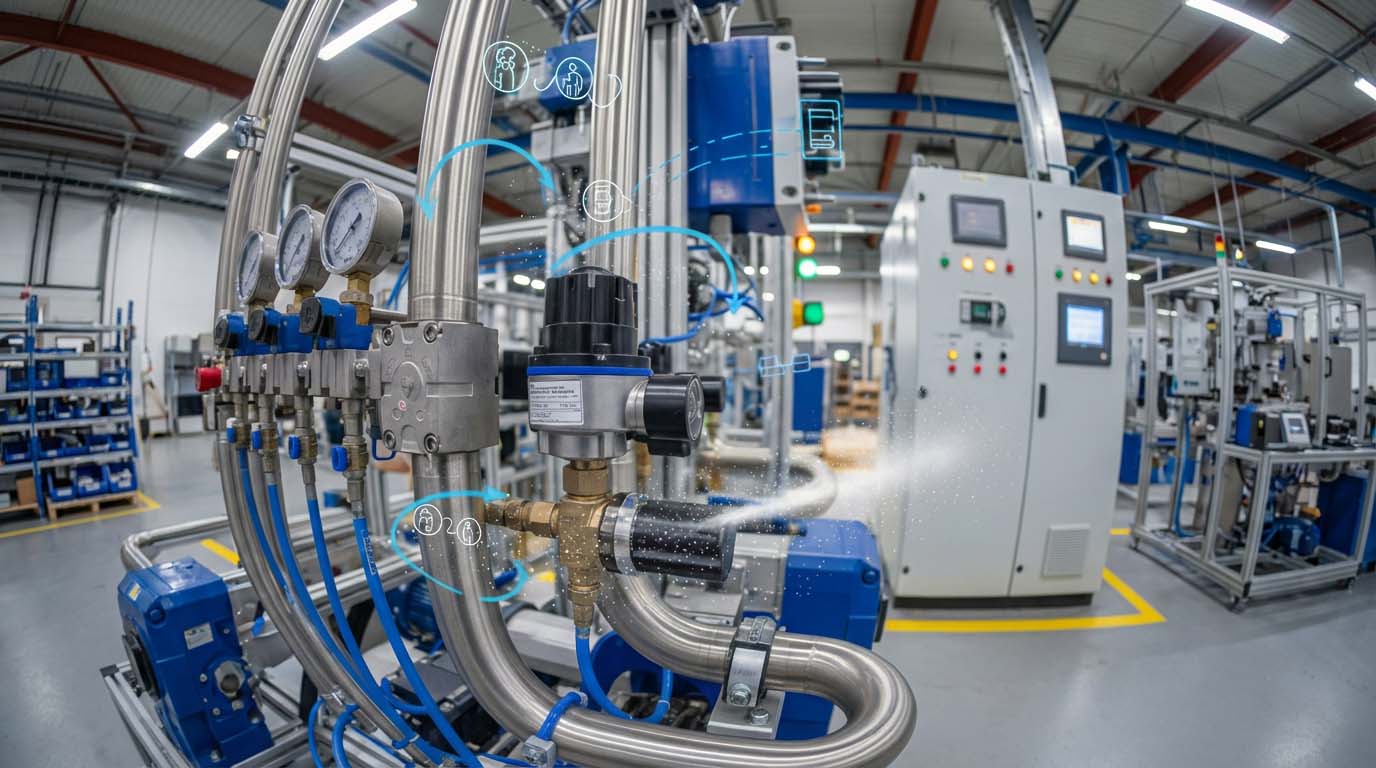
When an automated system fails, the first suspect is usually the PLC, controller, or software. Engineers check fault codes, reboot systems, and review logic diagrams.
But in many cases, the real problem isn’t digital at all.
It’s air.
Compressed air quality, pressure stability, and system design are often the hidden root causes behind automation downtime – quietly affecting performance long before electronics show any warning signs.
The Misconception: Electronics Get the Blame
Modern automation systems rely heavily on electronics, sensors, and control logic, so it’s natural to assume failures start there.
However, pneumatic systems still drive a large percentage of motion in manufacturing – from actuators and valves to clamps, grippers, and material handling systems. When the air supply is unstable, even the most advanced control system cannot perform reliably.
Common Pneumatic Issues That Cause Automation Failures
- Poor Air Quality
Moisture, oil, and particulates in compressed air can cause valves to stick, seals to degrade, and actuators to respond inconsistently. Over time, this leads to unpredictable behaviour and increased maintenance. - Pressure Instability
Fluctuating pressure results in inconsistent actuator speed and force. This affects cycle times, positioning accuracy, and clamping reliability – often causing misalignment, rejected products, or machine stops. - Undetected Air Leaks
Air leaks don’t always trigger alarms, but they reduce available pressure and increase compressor load. During peak production, these leaks can push systems beyond their limits, causing sudden failures. - Undersized or Poorly Designed Air Systems
Pneumatic systems designed without proper flow calculations or future expansion in mind often struggle as production demands increase. The result is chronic pressure drop and unreliable performance.
Why These Issues Are Hard to Diagnose
Unlike electronic faults, pneumatic problems don’t always fail instantly. They degrade performance gradually, making them harder to detect.
Symptoms often include:
- Intermittent machine stoppages
- Slower cycle times
- Inconsistent clamping or gripping
- Increased scrap or rework
- Frequent valve or actuator replacements
By the time the issue is obvious, downtime has already occurred.
Fix the Air, Fix the Automation
Reliable automation starts with a stable and well-designed pneumatic foundation. This includes:
- Proper air preparation (filtration, drying, regulation)
- Consistent pressure and flow monitoring
- Leak detection and energy optimisation
- Correct component selection for speed, force, and duty cycle
- Integration of pneumatic data into maintenance strategies
When air systems are designed and maintained correctly, automation becomes more predictable, efficient, and resilient.
Final Thoughts
Automation failures don’t always start with code or controllers. More often than not, they begin with invisible air problems that go unnoticed until productivity suffers.
At Process Pneumatics, we help manufacturers identify and resolve pneumatic issues that impact automation reliability – from system design and optimisation to instrumentation and energy efficiency solutions.
If your automation system is underperforming or experiencing unexplained downtime, contact our Product Specialists at sales@processpneumatics.com to uncover the real cause.

