

Why Liquid Cooling Is Changing the Way Data Centres Are Monitored
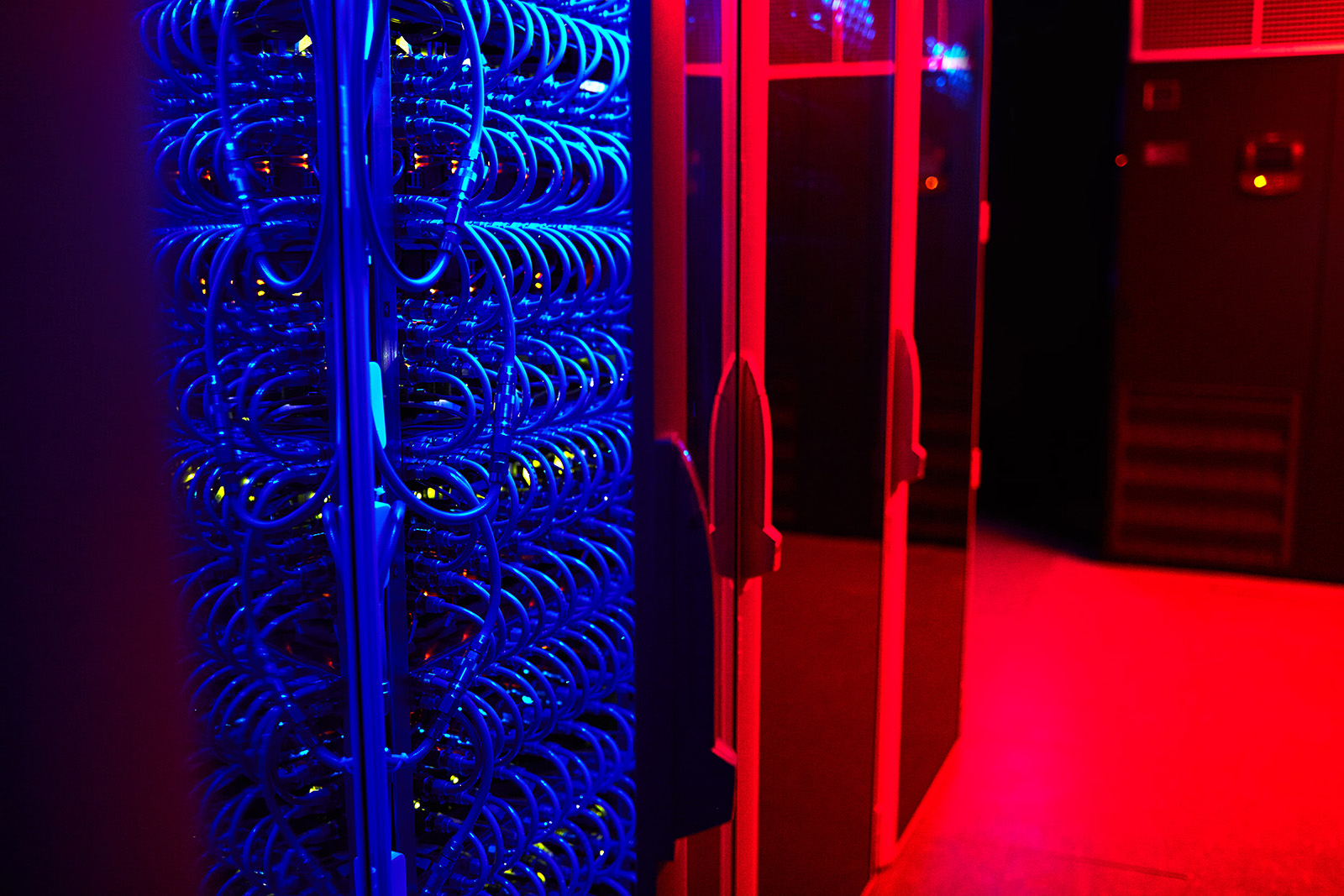
AI servers are getting more powerful, generating more heat and pushing traditional air cooling towards its practical limits.
Liquid cooling is becoming an increasingly important solution for high-density data centres. But here’s the catch: cooling with liquid means monitoring a different set of conditions.
While conventional cooling relies heavily on airflow and room temperature management, liquid cooling introduces new requirements for measuring coolant flow, temperature and pressure.
So, what exactly changes?
Why Are Data Centres Moving Towards Liquid Cooling?
Traditional data centres use air conditioning systems to circulate cooled air around server equipment.
However, as computing power increases, removing heat using air alone becomes more challenging.
Liquid cooling transfers heat using a circulating coolant, which can transport heat more effectively than air.
Common approaches include:
- Direct-to-chip cooling: Coolant flows through cold plates attached to processors and other high-heat components.
- Rear-door heat exchangers (RDHx): Liquid-cooled heat exchangers remove heat from the air leaving server racks.
- Immersion cooling: Servers or compatible components are submerged in specialised dielectric cooling fluid.
Each approach works differently, but they share one requirement: reliable monitoring of cooling conditions.
Three Measurements That Matter Most
1. Coolant Flow: Is Enough Liquid Circulating?
In liquid cooling systems, maintaining the appropriate coolant flow rate is essential for effective heat removal.
Insufficient flow can reduce cooling performance, while excessive flow may increase pumping energy.
Flowmeters help operators verify circulation and identify unusual changes in flow conditions.
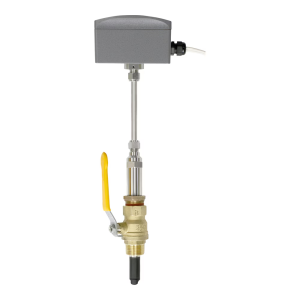
For suitable conductive-liquid applications, the Dwyer IEF Series insertion electromagnetic flow transmitter can support flow measurement within compatible cooling circuits.
2. Temperature: Is Heat Being Removed Effectively?
Unlike conventional air-cooled environments, liquid cooling requires temperature monitoring at different points throughout the cooling circuit.
Important measurements include coolant supply temperature, return temperature and temperature differences across heat exchangers.
These readings help engineers understand how effectively heat is being transferred.
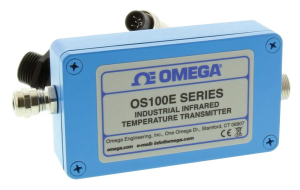
Omega Engineering temperature sensors and transmitters can support accurate temperature measurement across suitable cooling applications.
3. Pressure: Is Something Restricting the Flow?
Pressure monitoring helps engineers understand conditions within coolant distribution systems.
For example, increasing differential pressure across a filter at a comparable flow rate may indicate a developing restriction.
Pressure measurements can also help monitor pump operation and pressure losses across cooling components.
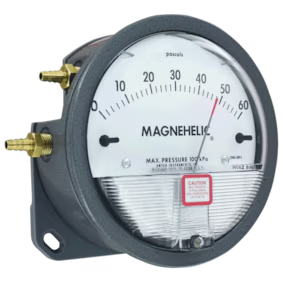
Dwyer pressure and differential pressure instruments can support these monitoring requirements, depending on system specifications.
Why Monitoring Matters More Than Ever
Imagine a liquid cooling circuit where coolant flow gradually decreases while return temperature begins to rise.
Individually, these changes might not immediately indicate a serious problem.
But when flow, temperature and pressure measurements are monitored together, operators gain a clearer picture of what is happening within the cooling system.
This information helps engineers investigate abnormal conditions, evaluate cooling performance and make informed operational decisions.
As data centres become more complex, reliable measurement is just as important as the cooling technology itself.
The Future of Data Centre Cooling Is About Better Measurement
Liquid cooling is changing how data centres manage the increasing heat generated by AI and high-performance computing.
But adopting more advanced cooling technology also means understanding what is happening inside the cooling circuit.
From coolant flow to temperature and pressure, accurate instrumentation provides the information engineers need to monitor cooling performance.
Process Pneumatics supplies Dwyer and Omega instrumentation solutions for suitable data centre cooling applications.
Contact our instrumentation specialists to explore the right flow, temperature and pressure measurement solutions for your data centre infrastructure.

