

Why Does a Perfectly Good Machine Suddenly Start Producing Defects?
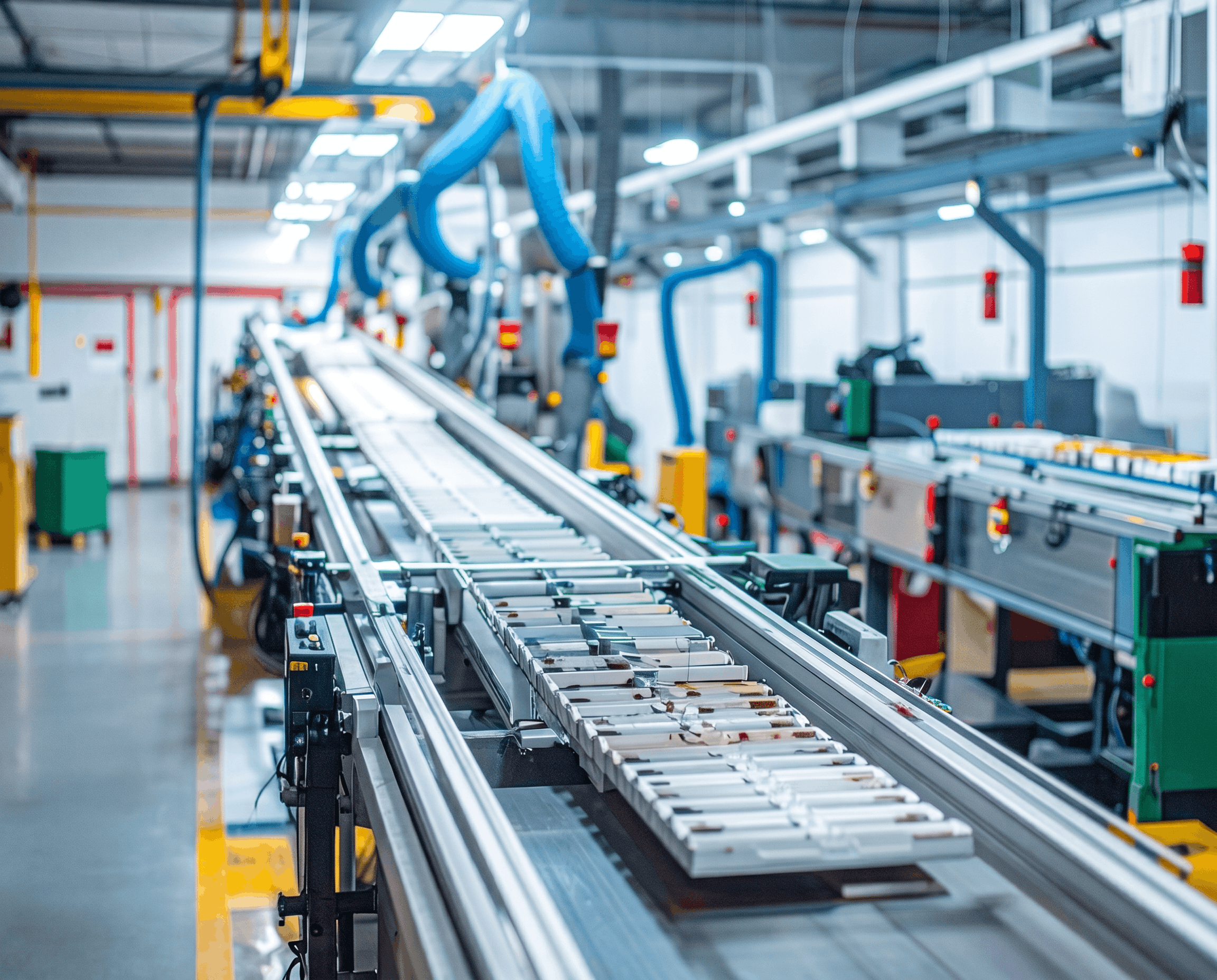
A production machine can run smoothly for months, producing consistent results with minimal issues. Then, seemingly without warning, rejection rates begin to increase.
The machine is still running. There are no major alarms. Nothing appears to be broken.
So, what changed?
In many cases, production defects are not caused by one major equipment failure. They result from small changes in operating conditions that gradually affect machine performance and product quality.
1. A Sensor Has Started to Drift
Industrial sensors operate continuously, often under demanding conditions. Over time, temperature, vibration, contamination, or general wear can cause measurement accuracy to drift.
The change may be small enough to go unnoticed but significant enough to affect the production process.
For example, an inaccurate temperature or pressure reading could cause a machine to operate outside its ideal conditions, leading to inconsistent product quality.
Regular calibration and monitoring can help engineers identify sensor drift before it becomes a production problem.
2. Pneumatic Pressure Is No Longer Consistent
Pneumatic systems depend on stable air pressure and flow to operate reliably.
Air leaks, clogged filters, worn regulators, or changes in compressed air demand can cause pressure fluctuations throughout the system.
The result may be:
- Slower cylinder movement
- Reduced clamping force
- Inconsistent positioning
- Changes in machine cycle times
The machine may continue running, but small variations in pneumatic performance can gradually increase the number of defective products.
3. Vibration Is Affecting Machine Accuracy
Not all production problems originate inside the machine itself.
Vibration from nearby equipment, rotating machinery, or changes in the factory environment can affect precision manufacturing processes.
This is especially important in applications such as semiconductor manufacturing, electronics production, precision machining, and automated inspection.
Proper vibration isolation and energy absorption solutions can help maintain machine stability and protect sensitive equipment.
4. The Product Is Slightly Out of Position
In automated manufacturing, even a small positioning error can affect the final product.
Components may shift due to:
- Inconsistent pneumatic movement
- Improper clamping
- Mechanical wear
- Changes in conveyor positioning
These small variations may lead to assembly errors, inaccurate processing, or failed quality inspections.
Reliable clamping, workholding, and positioning systems help ensure products remain correctly aligned throughout the production process.
5. The Inspection System Is Missing Something
A production line may be operating correctly, but defects can still reach the next stage if the inspection system is unable to detect them.
Changes in lighting, product positioning, camera settings, or inspection requirements can affect machine vision performance.
Modern machine vision solutions, such as those from Cognex, help manufacturers detect defects, verify product positioning, and improve inspection consistency at production speed.
Small Changes Can Create Big Problems
Production defects rarely appear without a reason.
A drifting sensor, slight pressure fluctuation, increased vibration, or minor positioning error may seem insignificant on its own. However, when these issues begin to affect one another, product quality can quickly decline.
This is why effective industrial automation is not only about keeping machines running. It is also about continuously monitoring the conditions that influence machine performance.
Conclusion
When a reliable machine suddenly starts producing defects, replacing equipment may not be the answer.
The first step is to investigate the smaller changes happening throughout the production process, from sensor accuracy and pneumatic pressure to vibration, positioning, and inspection performance.
By identifying these issues early and using reliable automation and monitoring solutions, manufacturers can maintain consistent product quality, reduce rejection rates, and prevent minor problems from becoming costly production disruptions.
Contact our automation specialists to discover solutions that can help improve process stability, product quality, and production reliability.

