

The Role of Automation in Reducing Production Waste
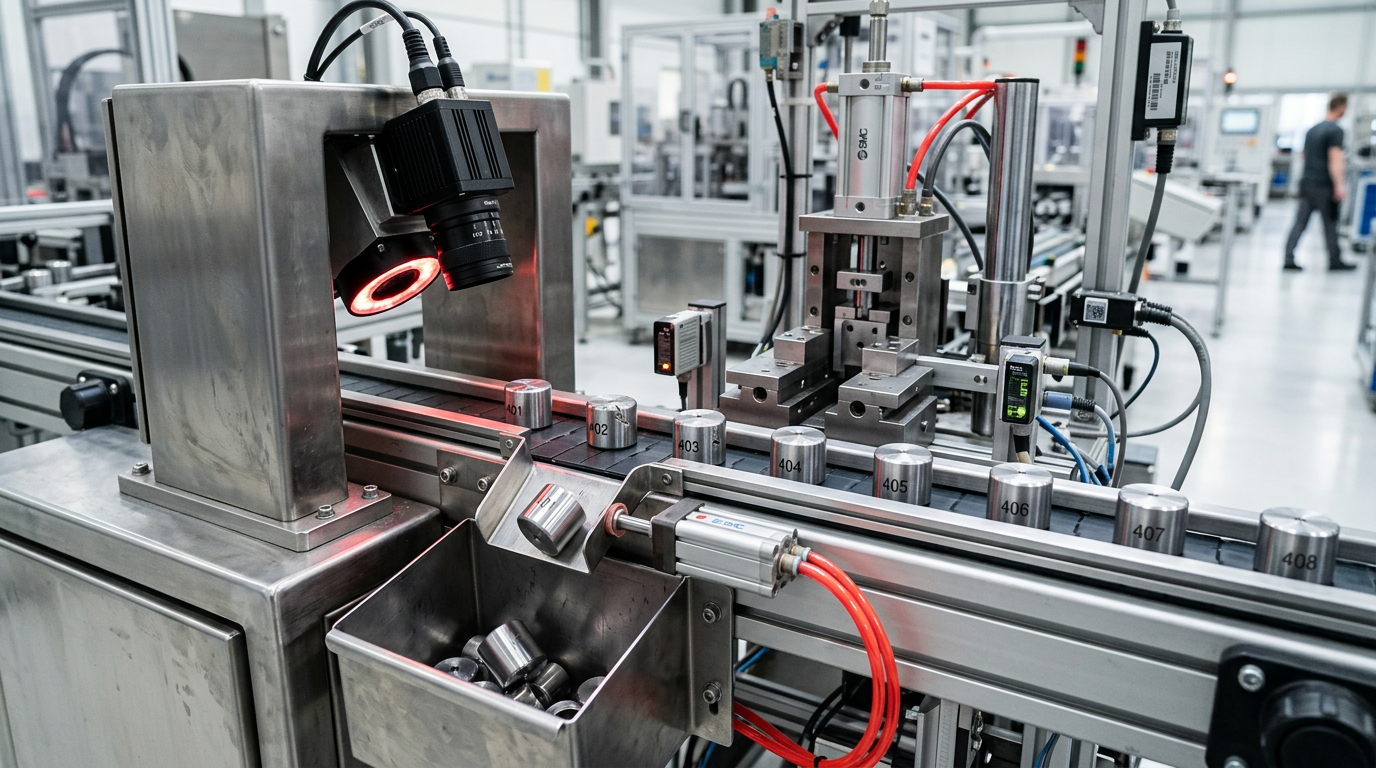
In today’s competitive manufacturing environment, reducing production waste is more important than ever. Whether it’s material scrap, product defects, energy consumption, or unnecessary downtime, every inefficiency has a direct impact on operational costs and profitability.
Industrial automation helps manufacturers minimise these losses by improving process consistency, increasing accuracy, and reducing the likelihood of human error. With the right combination of automation technologies, production lines can operate more efficiently while maintaining high product quality.
Improving Process Consistency
Consistency is one of the biggest advantages of automation. Unlike manual processes, automated systems perform the same task repeatedly with a high level of precision.
Pneumatic actuators, automated clamping systems, and motion control solutions ensure products are positioned accurately during every production cycle. This helps reduce dimensional variations, assembly errors, and product defects that often lead to scrap or rework.
Detecting Defects Earlier
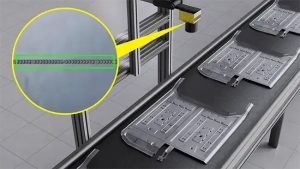
The sooner a defect is identified, the less waste it creates.
Machine vision systems can inspect products in real time to verify dimensions, detect missing components, check labels, and identify surface defects before products move to the next stage of production.
Advanced machine vision solutions, such as those from Cognex, enable manufacturers to improve inspection accuracy while reducing dependence on manual quality checks.
Monitoring Critical Process Conditions
Stable operating conditions are essential for producing consistent results.
Industrial instrumentation allows manufacturers to continuously monitor parameters such as:
- Pressure
- Temperature
- Flow
- Differential pressure
Reliable measurement solutions from Omega Engineering and Dwyer Instruments provide real-time process visibility, helping engineers detect abnormalities before they affect product quality or equipment performance.
Minimising Equipment Downtime
Unexpected equipment failures often result in wasted materials, interrupted production, and increased operating costs.
By monitoring system performance and maintaining stable pneumatic pressure, manufacturers can identify issues such as air leaks, clogged filters, or pressure fluctuations before they develop into larger problems.
A proactive maintenance approach helps improve equipment reliability while reducing unplanned downtime.
Reducing Energy Waste
Compressed air is one of the largest energy consumers in many manufacturing facilities. Poorly maintained pneumatic systems, leaking fittings, or incorrect pressure settings can significantly increase energy costs.
Optimising pneumatic systems and monitoring operating conditions helps manufacturers improve energy efficiency while maintaining production performance.
Supporting Sustainable Manufacturing
Reducing waste is not only about lowering costs. It also supports sustainability by using materials and energy more efficiently.
By improving production accuracy, reducing product rejects, and extending equipment life, automation helps manufacturers minimise their environmental impact while achieving higher operational efficiency.
Conclusion
Production waste can occur in many forms, from defective products and excess material usage to energy losses and machine downtime. Industrial automation provides manufacturers with the tools to improve consistency, monitor critical processes, and identify problems before they escalate.
By integrating technologies such as pneumatic automation, machine vision, and industrial instrumentation, manufacturers can reduce waste, improve product quality, and build more efficient production operations.
Contact our automation specialists to discover solutions that can help reduce production waste and improve efficiency across your manufacturing processes.

