

Indoor Air Quality Monitoring in Hospitals: 5 Critical Areas That Matter
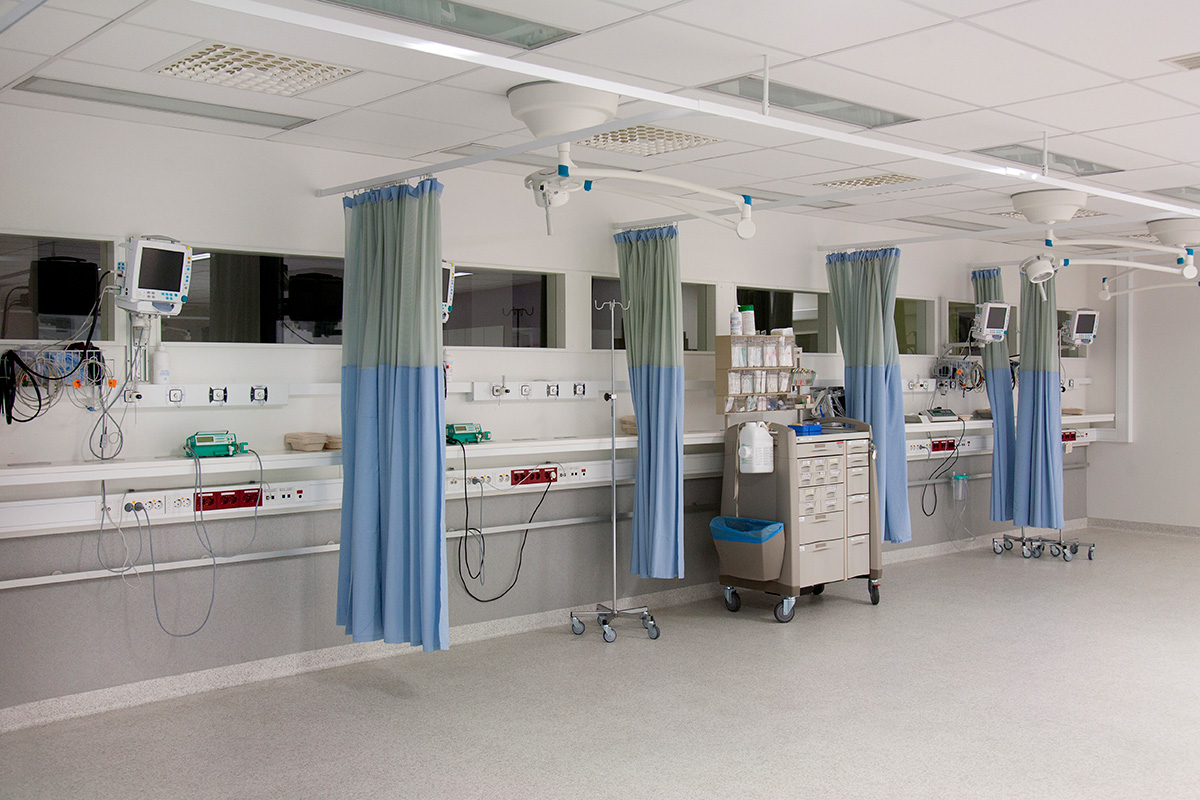
In a hospital, clean air is more than just a matter of comfort. It plays an important role in protecting patients, healthcare workers and visitors.
From operating theatres to isolation rooms, different hospital areas require different environmental conditions. Temperature, humidity, airflow and air pressure must be carefully managed to help reduce contamination risks and maintain safe operating environments.
But where does indoor air quality monitoring matter most?
1. Air Handling Units: Keeping Air Moving in the Right Direction
Air handling units (AHUs) are responsible for circulating and conditioning air throughout the hospital.
They help maintain suitable temperatures, humidity levels and ventilation across patient rooms, treatment areas and other clinical spaces.
Monitoring airflow, temperature, humidity and differential pressure helps facility teams assess ventilation performance, identify clogged filters and maintain the required air supply.
2. Isolation Rooms: Controlling Airborne Contamination
Not all hospital rooms are designed to have the same air pressure.
Negative-pressure isolation rooms help prevent potentially contaminated air from escaping into surrounding areas.
Positive-pressure protective rooms, on the other hand, help reduce the entry of airborne contaminants to protect vulnerable patients.
Differential pressure monitoring helps verify that the intended pressure relationship is maintained between the room and adjacent spaces.
Even small pressure changes can affect airflow direction, making reliable pressure monitoring especially important.
3. Operating Theatres: Maintaining a Controlled Environment
Operating theatres require carefully controlled environmental conditions to support infection prevention and safe surgical procedures.
Temperature, humidity, ventilation and pressure relationships all play important roles.
For example, positive pressure relative to adjacent spaces is commonly used in operating theatres to help limit the entry of less-clean air.
Accurate monitoring helps facility engineers verify that environmental conditions remain within the requirements of the hospital’s ventilation design and applicable standards.
4. Server Rooms: Protecting Critical Hospital Systems
Hospitals rely heavily on digital infrastructure, from patient records and medical imaging to communication and monitoring systems.
The servers supporting these operations generate heat and require reliable cooling.
Monitoring temperature, humidity and airflow helps identify conditions that could affect IT equipment performance.
Water leak detection and cooling system monitoring can provide additional protection for critical infrastructure.
5. Mechanical Rooms: Keeping Hospital Infrastructure Running
Behind every functioning hospital is a network of mechanical systems working around the clock.
Chillers, boilers, pumps, ventilation equipment and water systems all support essential hospital operations.
Monitoring parameters such as pressure, flow, temperature and equipment operating conditions helps maintenance teams understand system performance and identify abnormal conditions.
For example, a rising pressure drop across an air filter may indicate increasing resistance, while unusual flow readings could signal a problem within a pumping system.
Why Accurate Environmental Monitoring Matters
Hospital environments require more than a single temperature sensor.
Different areas have different requirements, and reliable monitoring helps facility teams understand whether ventilation and mechanical systems are operating as intended.
Instrumentation solutions from Dwyer and Omega Engineering can support the measurement of temperature, humidity, differential pressure and airflow across suitable hospital HVAC and building infrastructure applications.
Conclusion
From isolation rooms to operating theatres and mechanical rooms, environmental monitoring plays an important role in maintaining safe and reliable hospital operations.
By measuring the right conditions in the right locations, healthcare facilities can better manage ventilation performance, identify potential problems and support effective infection control measures.
Looking for reliable environmental monitoring solutions?
Process Pneumatics supplies Dwyer and Omega instrumentation solutions for hospital HVAC and building infrastructure applications.
Contact our instrumentation specialists to explore suitable monitoring solutions for your facility.

