

How Semiconductor Manufacturers Use Precision Automation to Improve Yield
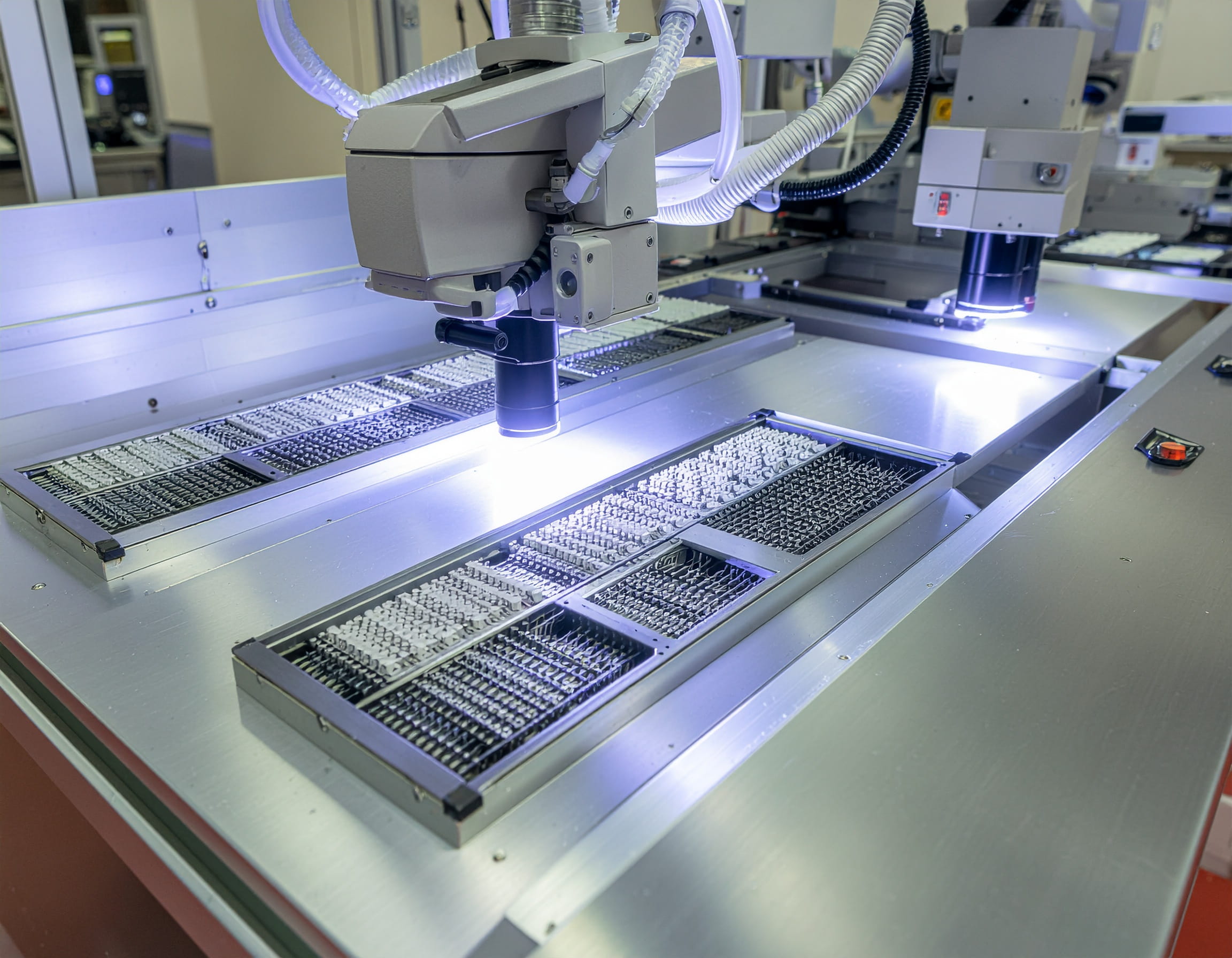
In semiconductor manufacturing, even the smallest variation can affect product quality and production yield. As electronic components become smaller and more complex, manufacturers increasingly rely on precision automation technologies to maintain consistency, reduce defects, and improve operational efficiency.
From wafer handling to inspection and environmental control, automation plays a critical role throughout the semiconductor production process.
The Importance of Yield in Semiconductor Manufacturing
In semiconductor production, “yield” refers to the percentage of functional chips successfully produced from a wafer. Even minor contamination, vibration, positioning errors, or environmental fluctuations can result in defective products and significant financial losses.
Because of this, semiconductor manufacturers place strong emphasis on:
- Precision handling
- Stable environmental conditions
- Accurate measurement and monitoring
- Repeatable automation processes
This is where advanced industrial automation solutions become essential.
Precision Pneumatic Automation for Wafer Handling
Pneumatic automation remains widely used in semiconductor manufacturing due to its:
- Fast response
- Smooth motion control
- Clean operation
- Reliability in repetitive processes
Precision pneumatic actuators are commonly used in:
- Wafer transfer systems
- Pick-and-place mechanisms
- Clamping applications
- Automated assembly equipment
Carefully controlled pneumatic motion helps reduce mechanical stress and minimise the risk of wafer damage during handling.
Machine Vision for Quality Inspection
Image from cognex.com
Modern semiconductor production relies heavily on machine vision systems for automated inspection and alignment.
Machine vision technologies help manufacturers:
- Detect microscopic defects
- Verify positioning accuracy
- Inspect component alignment
- Improve inspection consistency
Compared to manual inspection, automated vision systems provide:
- Faster inspection speeds
- Higher repeatability
- Reduced human error
This allows manufacturers to maintain high production standards while increasing throughput.
The Role of Vibration Isolation
Semiconductor manufacturing equipment often operates at extremely high precision levels. Even small vibrations from nearby machinery, foot traffic, or building movement can affect process accuracy.
Vibration isolation solutions help protect sensitive equipment such as:
- Lithography systems
- Inspection equipment
- Precision measurement systems
By reducing vibration interference, manufacturers can improve process stability and reduce defect rates.
Environmental Monitoring and Process Control
Maintaining stable environmental conditions is critical in semiconductor facilities.
Manufacturers continuously monitor:
- Temperature
- Humidity
- Airflow
- Differential pressure
Instrumentation solutions from companies such as Omega Engineering and Dwyer Instruments are commonly used to support accurate process monitoring and cleanroom control.
For example:
- Differential pressure monitoring helps maintain cleanroom integrity
- Temperature sensors ensure process consistency
- Airflow monitoring helps optimise ventilation systems
Accurate monitoring reduces the risk of contamination and process variation.
Smart Automation and Industry 4.0
Many semiconductor manufacturers are now integrating AI and smart monitoring technologies into their production environments.
By combining:
- Smart sensors
- Real-time data collection
- Predictive maintenance systems
- Automated monitoring
manufacturers can identify abnormalities earlier and reduce unplanned downtime.
This helps improve:
- Production efficiency
- Equipment reliability
- Yield consistency
Conclusion
As semiconductor manufacturing continues to advance, precision automation is becoming increasingly important in maintaining high production yield and process stability.
Technologies such as pneumatic automation, machine vision, vibration isolation, and smart instrumentation allow manufacturers to improve consistency, reduce defects, and optimise production performance.
By investing in reliable automation and monitoring solutions, semiconductor manufacturers can build more efficient and resilient production environments while meeting the growing demands of modern electronics manufacturing. Contact our automation specialists to discover precision solutions that help improve semiconductor manufacturing yield and process reliability.

