

How Machine Vision Reduces Human Error on Production Lines
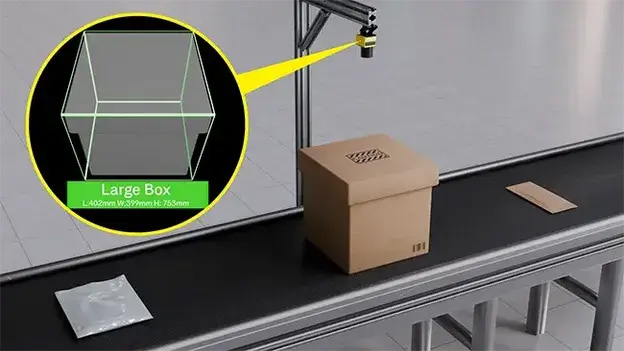
As manufacturing processes become faster and more complex, maintaining consistent quality can be challenging. While experienced operators play an important role on the production floor, manual inspections are still susceptible to fatigue, inconsistency, and oversight.
This is where machine vision systems make a significant difference. By using industrial cameras, intelligent software, and advanced image processing, manufacturers can automate inspection tasks with greater speed and accuracy, helping to reduce human error and improve product quality.
Why Human Error Happens
Even the most skilled inspectors can miss defects after performing repetitive tasks for long periods. Factors such as fatigue, lighting conditions, and varying judgement between operators can lead to inconsistent inspections.
On high-speed production lines, relying solely on manual checks may result in:
- Defective products reaching customers
- Incorrect labels or barcodes
- Assembly errors
- Increased rework and scrap rates
Automating these inspection processes helps ensure every product is evaluated against the same standards.
Automated Quality Inspection
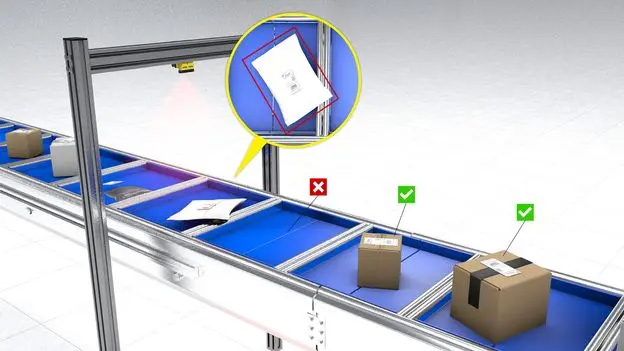
Machine vision systems can inspect products in real time without slowing down production. They are capable of detecting defects that may be difficult for the human eye to spot, including:
- Surface scratches or dents
- Missing or incorrect components
- Dimensional variations
- Assembly defects
- Packaging inconsistencies
By identifying these issues early, manufacturers can prevent faulty products from progressing further down the production line.
Barcode and Traceability Verification
Many industries rely on accurate product identification and traceability. Machine vision systems can quickly read and verify:
- 1D and 2D barcodes
- QR codes
- Data Matrix codes
- Serial numbers
- Date and batch codes
This helps reduce shipping errors, improve inventory management, and ensure compliance with customer or regulatory requirements.
Improving Production Efficiency
Unlike manual inspection, machine vision systems can operate continuously with consistent performance. They help manufacturers:
- Increase inspection speed
- Reduce dependence on manual checks
- Improve product consistency
- Minimise rework and waste
- Support 24/7 production environments
The result is a more efficient production process with fewer quality-related disruptions.
The Role of AI-Powered Vision Systems
Recent advancements in artificial intelligence have made machine vision even more powerful. AI-enabled systems can learn to recognise complex patterns and identify subtle defects that traditional rule-based inspections may struggle to detect.
Solutions from Cognex, a global leader in industrial machine vision and barcode reading technology, combine advanced imaging with AI-driven capabilities to help manufacturers improve inspection accuracy and adapt to changing production requirements.
These systems are widely used across industries such as electronics, automotive, food and beverage, logistics, and pharmaceuticals.
Applications Across Industries
Machine vision technology supports a wide range of manufacturing processes, including:
- PCB and electronics inspection
- Packaging verification
- Pharmaceutical label checks
- Automotive component inspection
- Warehouse barcode reading
- Food and beverage quality control
By reducing reliance on manual inspection, manufacturers can achieve greater consistency while maintaining high production throughput.
Conclusion
Human expertise remains invaluable in manufacturing, but repetitive inspection tasks are increasingly being enhanced by machine vision technology. Automated inspection and barcode verification help reduce errors, improve traceability, and ensure consistent product quality.
As production lines continue to evolve, intelligent machine vision solutions such as those from Cognex enable manufacturers to detect defects earlier, streamline operations, and build more reliable quality control processes.
Contact our automation specialists to learn how machine vision solutions can help improve inspection accuracy, reduce human error, and enhance production efficiency.

