

How Food Factories Use Pneumatic Automation to Meet Hygiene Standards
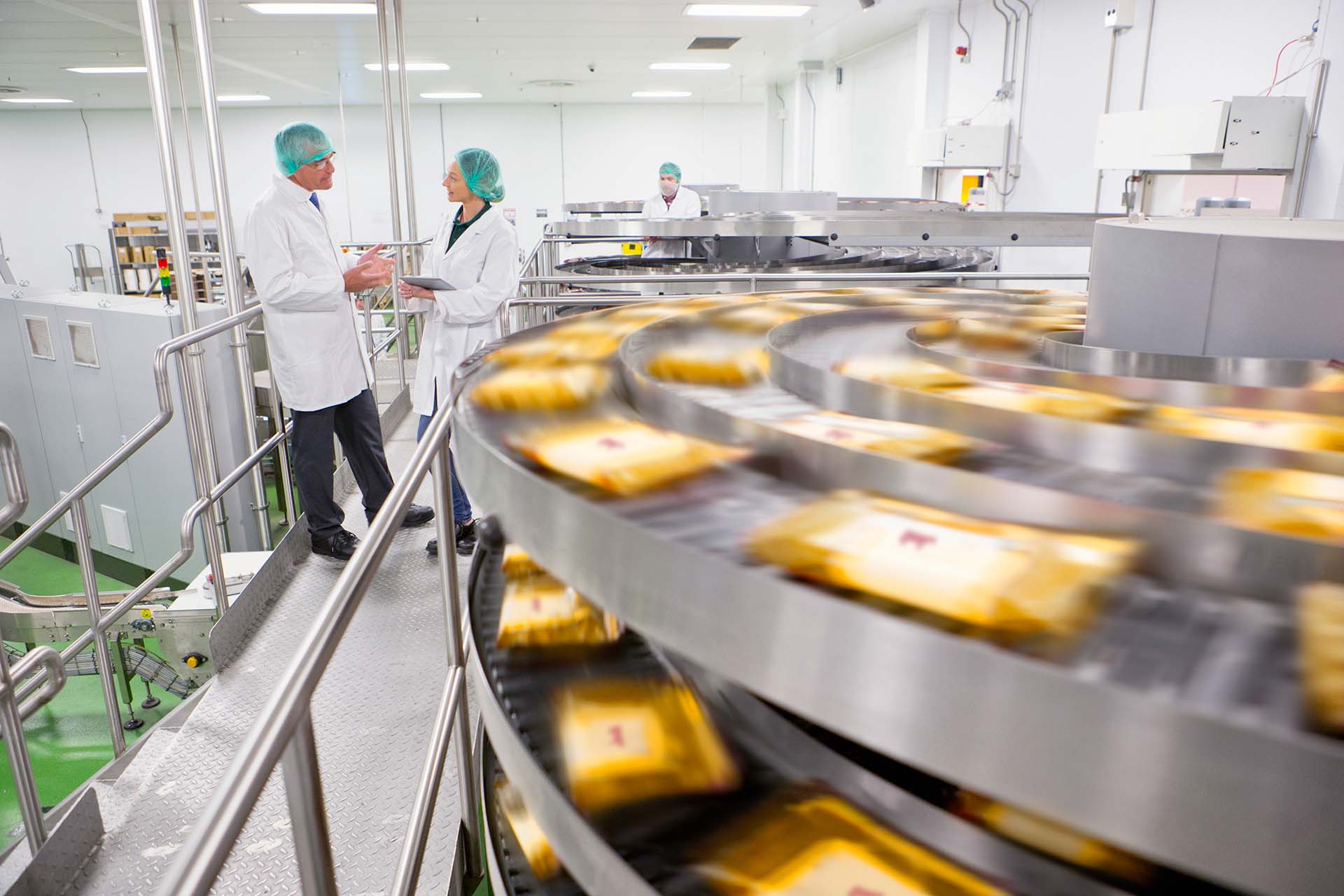
In food manufacturing, hygiene is not just a best practice – it’s a strict requirement. From raw material handling to packaging, every part of the production line must meet stringent food safety and hygiene standards.
This is why pneumatic automation plays such a critical role in modern food factories. When designed correctly, hygienic pneumatic systems help manufacturers stay compliant, efficient, and safe, even in demanding washdown environments.
The Hygiene Challenge in Food Processing
Food factories face constant exposure to:
- moisture and humidity
- cleaning chemicals
- high-pressure washdown
- temperature fluctuations
- frequent cleaning cycles (CIP – Clean-in-Place)
Any component that traps moisture, harbours bacteria, or degrades under cleaning can become a food safety risk. Automation systems must therefore be designed not only for performance, but also for cleanability and compliance.
Why Pneumatic Automation is Ideal for Hygienic Environments
Pneumatic systems are widely used in food processing because they are simple, robust, and well-suited for hygienic design.
1. Washdown-Ready Components
Food-grade pneumatic components are designed with:
- stainless steel or corrosion-resistant materials
- smooth surfaces with minimal crevices
- sealed housings to prevent water ingress
These features allow equipment to withstand frequent washdown without compromising performance or safety.
2. Compatibility with CIP Systems
Clean-in-Place (CIP) procedures require automation components to operate reliably even during aggressive cleaning cycles.
Hygienic pneumatic valves, actuators, and fittings are built to handle:
- high-pressure water jets
- cleaning chemicals
- repeated thermal cycles
This ensures consistent operation while maintaining sanitation standards.
3. Reduced Contamination Risk
Unlike some electric or hydraulic systems, pneumatic automation can be designed to minimise contamination risks by:
- eliminating oil leaks
- reducing heat generation
- simplifying system layouts
This makes pneumatics particularly suitable for direct food contact and high-care zones.
4. Stainless Steel & Food-Grade Materials
Hygienic pneumatic systems typically use materials that comply with food industry standards, including:
- stainless steel actuators and fittings
- food-safe seals
- corrosion-resistant tubing
These materials help manufacturers meet regulatory requirements such as HACCP, FDA, and ISO standards.
Common Applications in Food Factories
Pneumatic automation is widely used across food processing operations, including:
- product conveying and handling
- filling and dosing systems
- clamping and positioning during processing
- packaging and palletising lines
- valve control in fluid and process systems
In each case, hygiene-focused pneumatic design helps maintain product integrity and operational reliability.
Final Thoughts
Meeting hygiene standards in food manufacturing requires more than regular cleaning, it demands automation systems designed specifically for sanitary environments.
With the right pneumatic components and system design, food factories can achieve:
 regulatory compliance
reliable production
easier cleaning and maintenance
reduced contamination risk
At Process Pneumatics, we support food manufacturers with hygienic pneumatic automation solutions built for washdown environments, CIP processes, and strict food safety requirements.
Contact our Product Specialists at sales@processpneumatics.com to explore pneumatic solutions designed for hygienic food processing.

