

How AI Is Transforming Predictive Maintenance for Pneumatic Systems
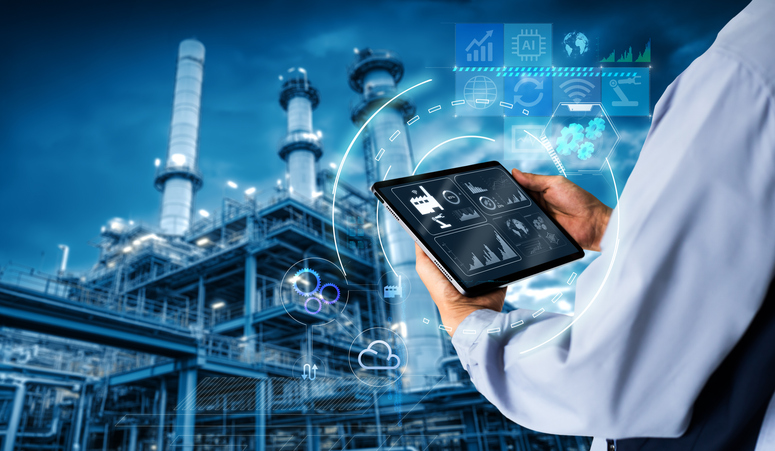
In many production factories, pneumatic systems are essential for powering automation equipment such as cylinders, valves, clamps, and pick-and-place mechanisms. While these components are known for their reliability, failures can still occur due to wear, contamination, pressure fluctuations, or air leaks. Traditionally, maintenance teams rely on scheduled preventive maintenance or manual inspections to keep pneumatic systems running smoothly.
Today, with the rise of Artificial Intelligence (AI) and smart factory technologies, manufacturers are beginning to shift toward predictive maintenance – using data to identify potential problems before equipment fails.
From Preventive Maintenance to Predictive Maintenance
Most factories follow preventive maintenance schedules, where components are inspected or replaced at fixed intervals. While this approach helps reduce unexpected failures, it does not always reflect the actual condition of the equipment.
Predictive maintenance takes a different approach. By using sensors and data analytics, factories can monitor the real-time performance of pneumatic systems and detect abnormal patterns early.
This allows maintenance teams to service equipment only when necessary, improving efficiency while reducing unnecessary maintenance work.
How AI Monitors Pneumatic Systems
Modern pneumatic systems can be equipped with sensors that monitor key operating parameters, such as:
- Air pressure levels
- Flow rates
- Cycle times
- Temperature
- Vibration
AI-powered monitoring systems analyse this data continuously. When unusual patterns appear – such as pressure drops, irregular cycle times, or increased air consumption – the system can flag potential issues before they lead to equipment failure.
For example, a gradual pressure drop may indicate a developing air leak or valve problem, allowing technicians to address the issue before it disrupts production.
Benefits for Production Factories
For production facilities, integrating AI into pneumatic maintenance offers several advantages:
Reduced downtime
Potential issues can be detected early, preventing unexpected machine stoppages.
Improved maintenance planning
Maintenance teams can focus on equipment that actually needs attention rather than following fixed schedules.
Extended equipment lifespan
Early detection of problems helps prevent severe component damage.
Better operational efficiency
Optimised pneumatic systems can improve machine performance and reduce wasted compressed air.
The Role of Smart Sensors
AI-driven predictive maintenance relies on data collection, and this is where smart sensors play a critical role. Sensors installed on pneumatic components provide continuous feedback on system performance.
When connected to factory monitoring platforms or Industrial Internet of Things (IIoT) systems, these sensors allow engineers to gain better visibility into how pneumatic systems operate in real production environments.
This data can then be analysed by AI algorithms to identify trends and detect anomalies.
A Practical Step Toward Smarter Factories
While fully autonomous AI-driven factories may still be evolving, many manufacturers are already taking practical steps toward smarter operations. Integrating sensors and data monitoring into pneumatic systems is often one of the simplest ways to begin adopting Industry 4.0 technologies.
By combining traditional pneumatic automation with intelligent monitoring, factories can achieve greater reliability and efficiency without completely redesigning their existing systems.
Conclusion
Pneumatic systems remain a vital part of industrial automation, and AI is now helping manufacturers maintain these systems more effectively. Through predictive maintenance and smart monitoring, factories can detect potential problems earlier, reduce downtime, and improve overall production reliability.
As Industry 4.0 technologies continue to evolve, the integration of AI, sensors, and pneumatic automation will play an increasingly important role in building smarter and more resilient manufacturing operations.

