

5 Signs Your Process Instrumentation Needs Calibration or Replacement
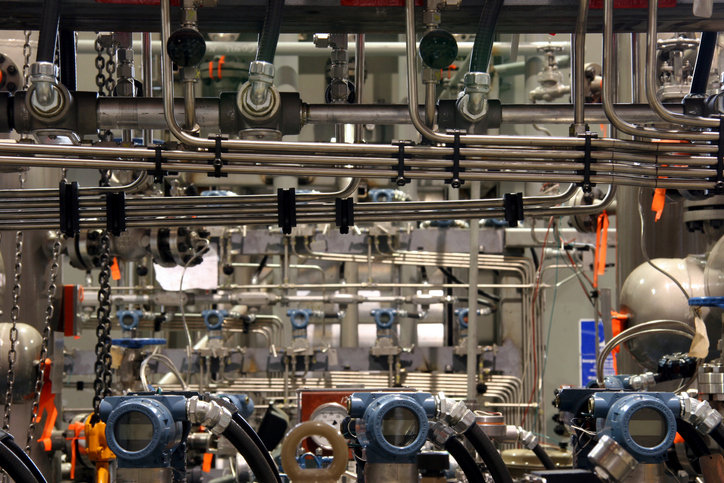
In any production environment, accurate measurement is critical. Whether it is temperature, pressure, or flow, your process instrumentation plays a key role in ensuring product quality, operational safety, and efficiency.
However, over time, sensors and measurement devices can drift, degrade, or fail. If left unchecked, this can lead to incorrect readings, production inconsistencies, and even equipment damage.
Here are 5 key signs that your process instrumentation may need calibration or replacement.
1. Inconsistent or Fluctuating Readings
If your sensors are showing unstable or inconsistent readings, it is often a sign of calibration drift or internal wear.
For example, a temperature sensor may show slight variations even when operating conditions are stable. This can affect process control and lead to quality issues.
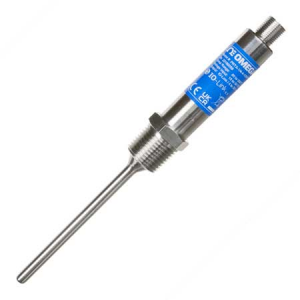
RTD Temperature Transmitter
Using reliable instrumentation such as thermocouples and RTDs from Omega Engineering can help ensure more stable and accurate measurements over time.
2. Gradual Deviation from Expected Values
Sometimes, instrumentation does not fail suddenly but instead slowly drifts away from accurate readings.
This is common in:
- Temperature sensors exposed to high heat
- Pressure sensors under continuous load
- Flow sensors in contaminated environments
If your readings no longer match known benchmarks or reference measurements, calibration is required.
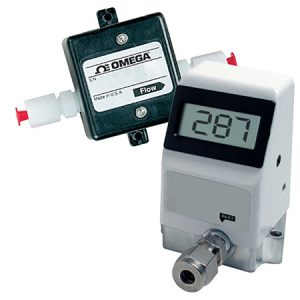
Low Flow Sensor for Air and Water – FLR1000
Regular calibration or upgrading to high-quality sensors, such as Omega’s industrial-grade transmitters, can help maintain measurement accuracy.
3. Slow Response Time
A noticeable delay in sensor response is another warning sign.
For example:
- A temperature probe takes longer to reflect changes
- A pressure sensor reacts slowly to system fluctuations
This usually indicates sensor aging, contamination, or internal degradation.
Modern instrumentation solutions, including fast-response probes and transmitters are designed to provide quicker and more reliable feedback in dynamic processes.
4. Frequent Process Errors or Alarms
If your system is triggering frequent alarms or experiencing unexpected shutdowns, faulty instrumentation may be the root cause.
Incorrect sensor readings can lead to:
- Incorrect control signals
- System instability
- Production interruptions
Before adjusting your control system, it is important to verify whether your sensors are still providing accurate data.
5. Harsh Operating Conditions
Instrumentation operating in harsh environments is more prone to wear and failure.
Common challenges include:
- High temperatures
- Moisture and humidity
- Vibration
- Chemical exposure
In such conditions, sensors may degrade faster and require more frequent calibration or replacement.
Choosing robust industrial sensors can improve durability and reduce long-term maintenance issues.
When Should You Calibrate vs Replace?
- Calibrate when the sensor is still functional but showing minor deviation
- Replace when the sensor shows significant drift, slow response, or physical damage
A good practice is to implement a regular calibration schedule while monitoring performance trends to decide when replacement is necessary.
Conclusion
Process instrumentation is the backbone of accurate and reliable industrial operations. Ignoring early warning signs can lead to reduced product quality, increased downtime, and higher operational costs.
By identifying issues early and using high-quality solutions from trusted brands like Omega Engineering, manufacturers can maintain precise control over their processes and ensure long-term operational efficiency.

