

5 Hidden Problems You Can Detect Using Differential Pressure
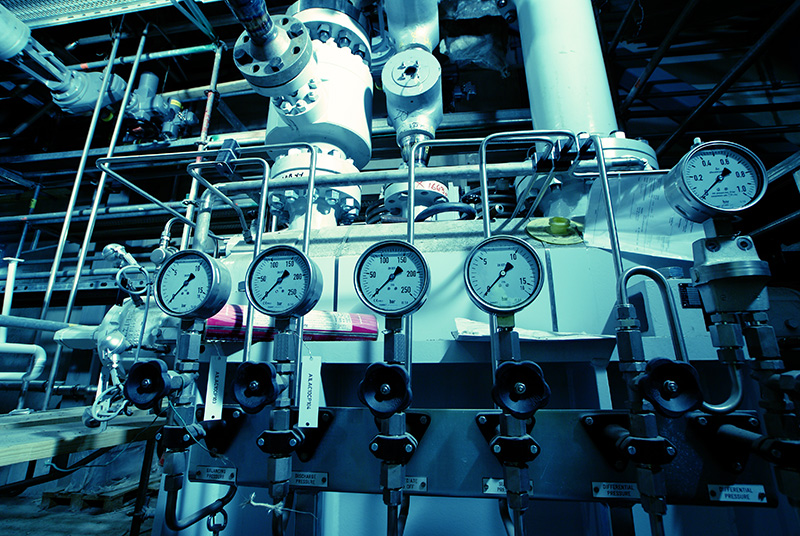
In many production environments, pressure measurement is commonly used to monitor system performance. However, one of the most underutilised yet powerful measurements in industrial applications is differential pressure.
By measuring the difference between two pressure points, engineers can quickly identify issues that are otherwise difficult to detect. From clogged filters to airflow imbalance, differential pressure monitoring provides early warning signs before problems affect production.
Instrumentation from Dwyer Instruments is widely used for differential pressure monitoring across manufacturing, HVAC, cleanroom, and process industries.
Here are five hidden problems you can detect using differential pressure.
1. Clogged Filters
One of the most common uses of differential pressure is filter condition monitoring. As filters become dirty or clogged, resistance increases, causing a higher pressure drop across the filter.
Without monitoring, clogged filters can lead to:
- Reduced airflow
- Poor system performance
- Increased energy consumption
- Equipment overheating
Differential pressure gauges allow maintenance teams to replace filters only when needed, rather than relying on fixed schedules.
2. Airflow Imbalance in Ducting Systems
Uneven airflow in ventilation or process ducting can affect production conditions, especially in cleanrooms or controlled environments.
By measuring differential pressure across sections of ducting, engineers can detect:
- Blocked ducts
- Air leakage
- Improper balancing
- Fan performance issues
Differential pressure monitoring helps ensure consistent airflow throughout the system.
3. Pump Performance Issues
In liquid systems, differential pressure can be used to monitor pump performance. A change in differential pressure may indicate:
- Pump wear
- Internal leakage
- Blockages in piping
- Cavitation problems
Detecting these issues early helps prevent unexpected pump failure and production downtime.
4. Cleanroom Pressure Problems
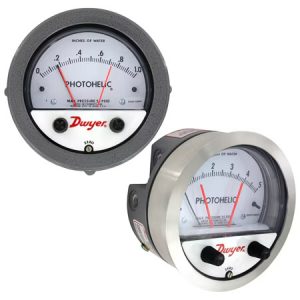
Series-3000MR-3000MRS
Photohelic® Switch/Gages, Differential Pressure, 25 psig Max, Compact
Maintaining correct room pressure is critical in industries such as electronics, pharmaceuticals, and medical manufacturing.
Differential pressure monitoring between rooms can detect:
- Door leakage
- Filter clogging
- Fan failures
- Airflow imbalance
Even small pressure deviations can affect contamination control. Continuous monitoring helps maintain stable conditions.
5. Heat Exchanger Fouling
Heat exchangers rely on proper flow to operate efficiently. Over time, fouling or scaling can restrict flow and increase pressure drop.
Differential pressure measurement across a heat exchanger can indicate:
- Internal fouling
- Flow restriction
- Reduced efficiency
- Maintenance requirements
This allows maintenance to be scheduled before performance drops significantly.
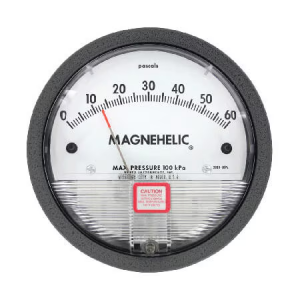
Series-2000-Magnehelic
Low Differential Pressure Gauge
Why Differential Pressure Matters
Differential pressure measurement provides early visibility into system health. Instead of waiting for performance issues, engineers can detect small changes and take corrective action early.
This helps improve:
- Equipment reliability
- Energy efficiency
- Maintenance planning
- Production stability
Solutions from Dwyer Instruments, including differential pressure gauges and transmitters, are commonly used for these monitoring applications due to their accuracy and ease of installation.
Conclusion
Differential pressure is one of the most versatile measurements in industrial environments. From clogged filters to airflow imbalance and pump issues, it provides valuable insight into system performance.
By implementing differential pressure monitoring, production facilities can detect hidden problems early, reduce downtime, and maintain more efficient operations. Contact our friendly Product Specialist for more information.

